
Top Waterproofing Products for Reliable Protection
Discover the leading waterproofing solutions designed to safeguard your property from moisture and water damage effectively.
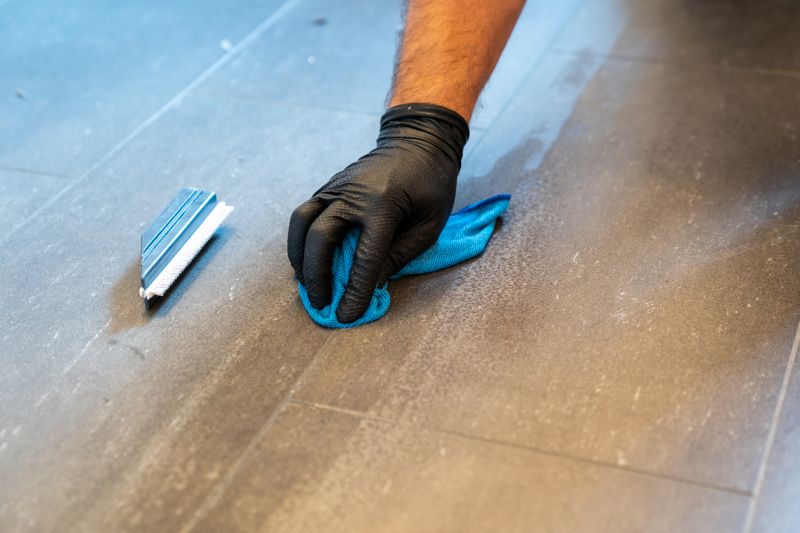 In Detroit, MI, where the climate can bring about seasonal challenges such as heavy rain, snow, and fluctuating temperatures, ensuring proper waterproofing is essential for protecting structures and belongings. Waterproofing products are designed to create a barrier that prevents water from penetrating surfaces, thereby safeguarding foundations, roofs, basements, and other critical areas. Selecting the right waterproofing solution depends on various factors including the specific application, surface material, and environmental conditions.
Top Overall Option
Liquid Waterproofing Membrane
A versatile liquid membrane offers a seamless, flexible barrier that can be applied to various surfaces such as roofs, basements, and foundations. It adheres well to different materials, providing a continuous layer that minimizes leaks and water intrusion. Easy to apply with brushes, rollers, or spray equipment, this type of waterproofing product is often favored for its adaptability and effectiveness in creating a durable, waterproof seal. Regular maintenance and inspection can help ensure ongoing performance in the demanding climate of Detroit, MI.
Types of Products For Waterproofings
Liquid Waterproofing Membranes
Flexible coatings that form a seamless barrier when applied to surfaces like roofs and foundations.
Bituminous Membranes
Self-adhesive or torch-applied sheets used mainly for roofing and below-grade waterproofing.
Polyurethane Sealants
High-performance sealants for filling cracks, joints, and seams in various structures.
Cementitious Waterproof Coatings
Waterproof cement-based coatings suitable for basement walls and concrete surfaces.
Rubberized Coatings
Flexible, durable coatings ideal for roofs and outdoor surfaces exposed to weather.
Hydrophobic Sprays
Invisible treatments that penetrate surfaces to repel water and prevent absorption.
Elastomeric Coatings
Thick, elastic coatings that expand and contract with surface movements, suitable for roofs.
Waterproofing Paints
Paints formulated with waterproofing agents for finishing walls and surfaces.
Drainage Systems
Installations such as gravel or drainage mats to direct water away from structures.
Sealant Tapes
Pre-formed tapes used to seal joints and cracks in various applications.
Waterproofing Films
Thin sheets or films used to line surfaces and prevent water penetration.
Spray-On Waterproof Coatings
Sprayable products that create a waterproof layer on large surfaces quickly.
Polyethylene Sheets
Heavy-duty plastic sheets used as barriers in foundation and basement waterproofing.
Crack Fillers
Specialized products for filling and sealing cracks in concrete and masonry.
Waterproofing Cement
Modified cement mixes with waterproofing properties for structural applications.
Popular Choices
Widely used for their seamless application and adaptability across different surfaces.
Commonly selected for roofing and below-grade waterproofing projects.
Popular for their flexibility and ability to accommodate surface movement.
Trusted for sealing joints and cracks in concrete and masonry structures.
Chosen for finishing and protecting walls against water ingress.
Favored for their ease of application and ability to penetrate surfaces.
Essential for maintaining the integrity of concrete surfaces and preventing leaks.
Used in various applications for reliable water barriers.
Convenient for covering large areas with a uniform waterproof layer.
Commonly employed as barriers in foundation waterproofing systems.
Popular for quick sealing of joints and cracks in various surfaces.
Effective in directing water away from structures and reducing hydrostatic pressure.
From basement walls to roofing systems, there are numerous products tailored to different waterproofing needs. Liquid membranes can be applied as coatings to create seamless barriers, while sealants are useful for filling cracks and joints. Membrane sheets and mats are often used for larger surface areas, providing durable and flexible protection. Additionally, waterproof paints and coatings can be used for finishing surfaces, offering both water resistance and aesthetic appeal.
Durability and ease of application are important considerations when choosing waterproofing products. Some products are formulated for interior use, such as basement waterproofing paints, while others are designed for exterior applications, like elastomeric coatings or bituminous membranes. Proper surface preparation is crucial to ensure adhesion and effectiveness. Regular inspection and maintenance of waterproofing layers can extend their lifespan and maintain their protective qualities over time.
Understanding the specific needs of your project and environment is key to selecting suitable waterproofing products. Consulting with local suppliers or professionals in Detroit, MI, can provide insights into products that perform well under local weather conditions. Whether waterproofing a foundation, roof, or outdoor structure, choosing the right product can help prevent water damage and preserve the integrity of your property.
Key Buying Considerations
- Identify the specific area or surface that requires waterproofing, such as roofs, basements, or foundations.
- Consider the environmental conditions, including climate, exposure to weather, and temperature fluctuations.
- Evaluate the compatibility of the waterproofing product with the surface material, like concrete, wood, or metal.
- Determine whether the product is suitable for interior or exterior application based on your project needs.
- Check the ease of application, including whether it can be applied with brushes, rollers, sprays, or torching.
- Assess the durability and flexibility of the product, especially for surfaces prone to movement or cracking.
- Review the drying or curing time to plan your project timeline effectively.
- Consider the longevity and maintenance requirements of the waterproofing solution.
- Look for products that provide a seamless, continuous barrier to minimize potential leak points.
- Ensure the product is compatible with existing waterproofing layers or systems, if any.
- Evaluate the environmental safety and VOC content, especially if used indoors.
- Determine the cost-effectiveness based on coverage area and product longevity.
- Consult local suppliers or professionals familiar with Detroit's climate for tailored advice.
- Read customer reviews and expert opinions to gauge real-world performance.
- Verify the manufacturer's instructions and warranty details before purchase.